
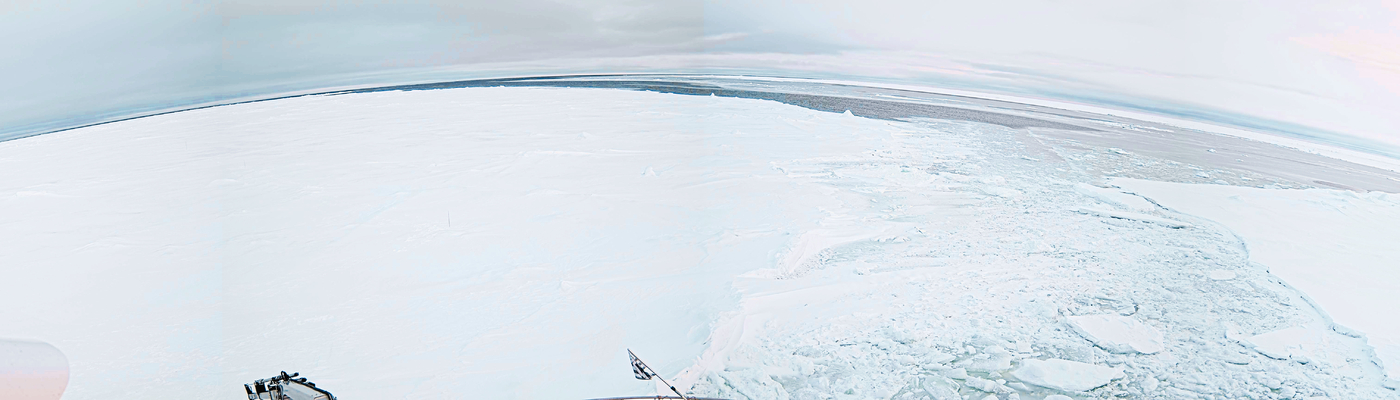
The expedition - live and in real-time
Picture of the week
13. November 2026
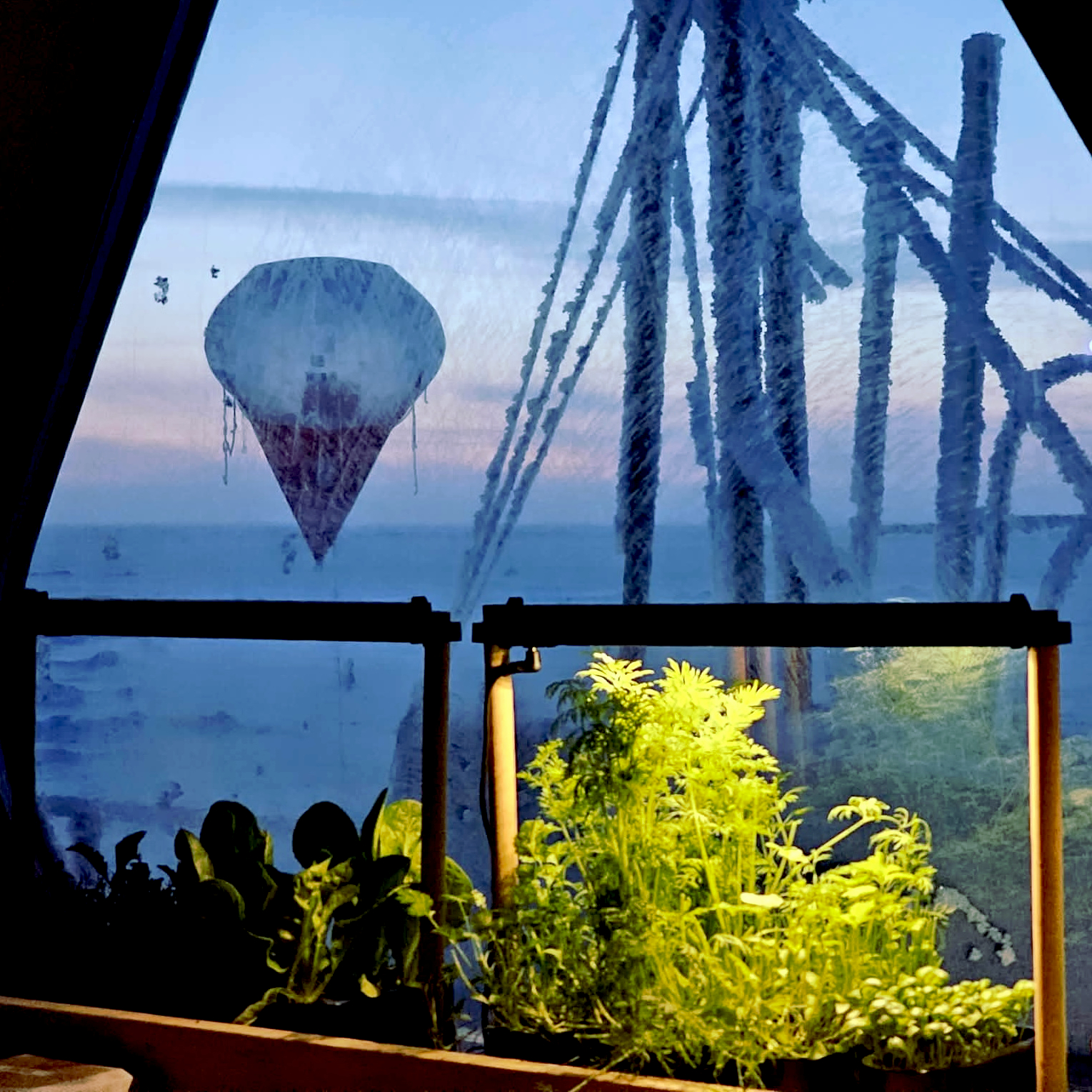
Green behind glass
A small herb garden grows under plant lights in the kitchen window of Tara Polar Station. Beyond the glass, ice-covered instruments serve atmospheric research. Just a windowpane separates the fresh greenery from the Arctic cold, bringing daily life on board and scientific work together in a single view.
13. November 2026
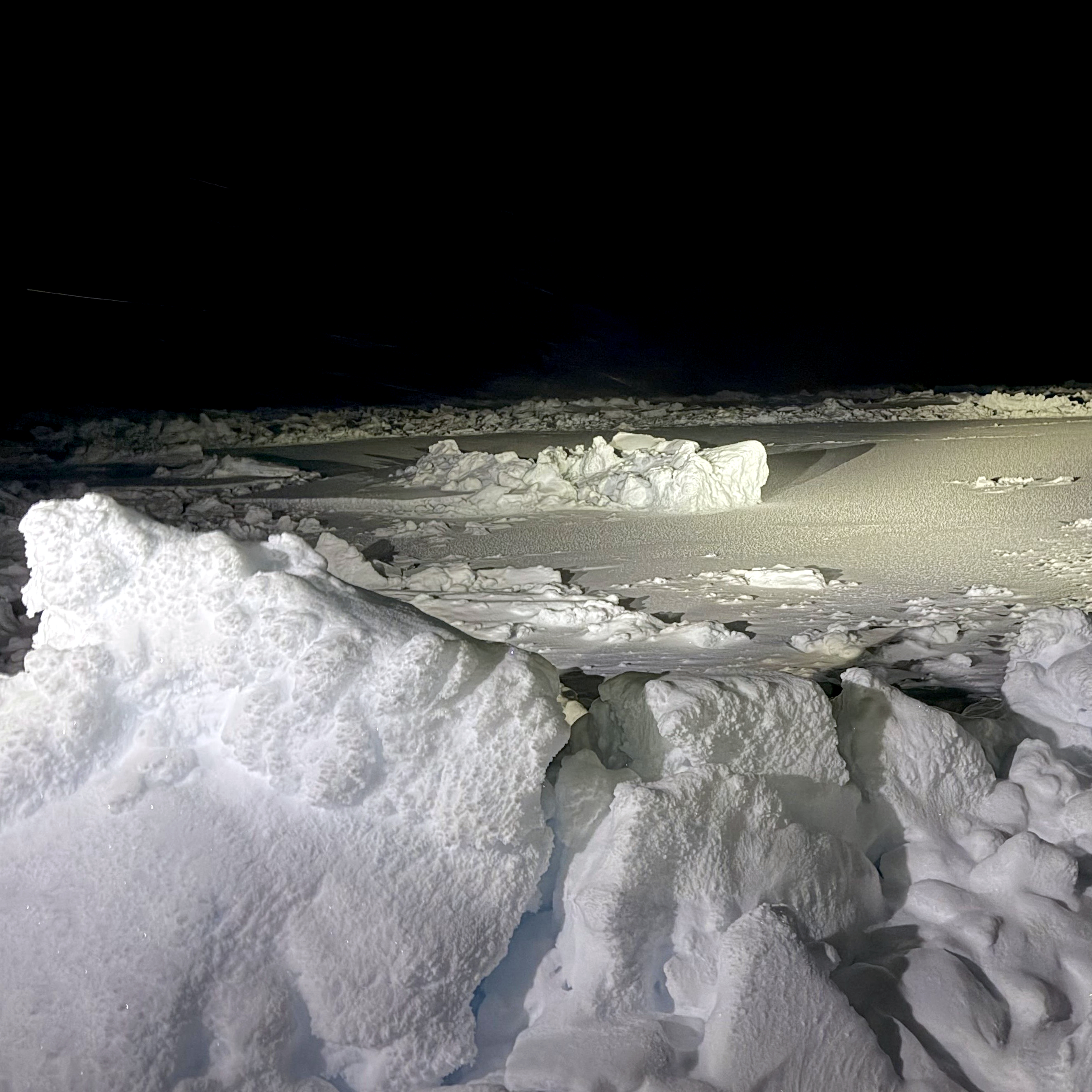
Ice in motion
At Tara Polar Station, the ice floe is stable and the drift barely noticeable. Yet at the floe’s edge, about two kilometers away, ice floes push together to form pressure ridges, while young, thin sea ice forms in open cracks. On ski trips to the floe’s edge, the team can witness the ice in motion.
06. November 2026
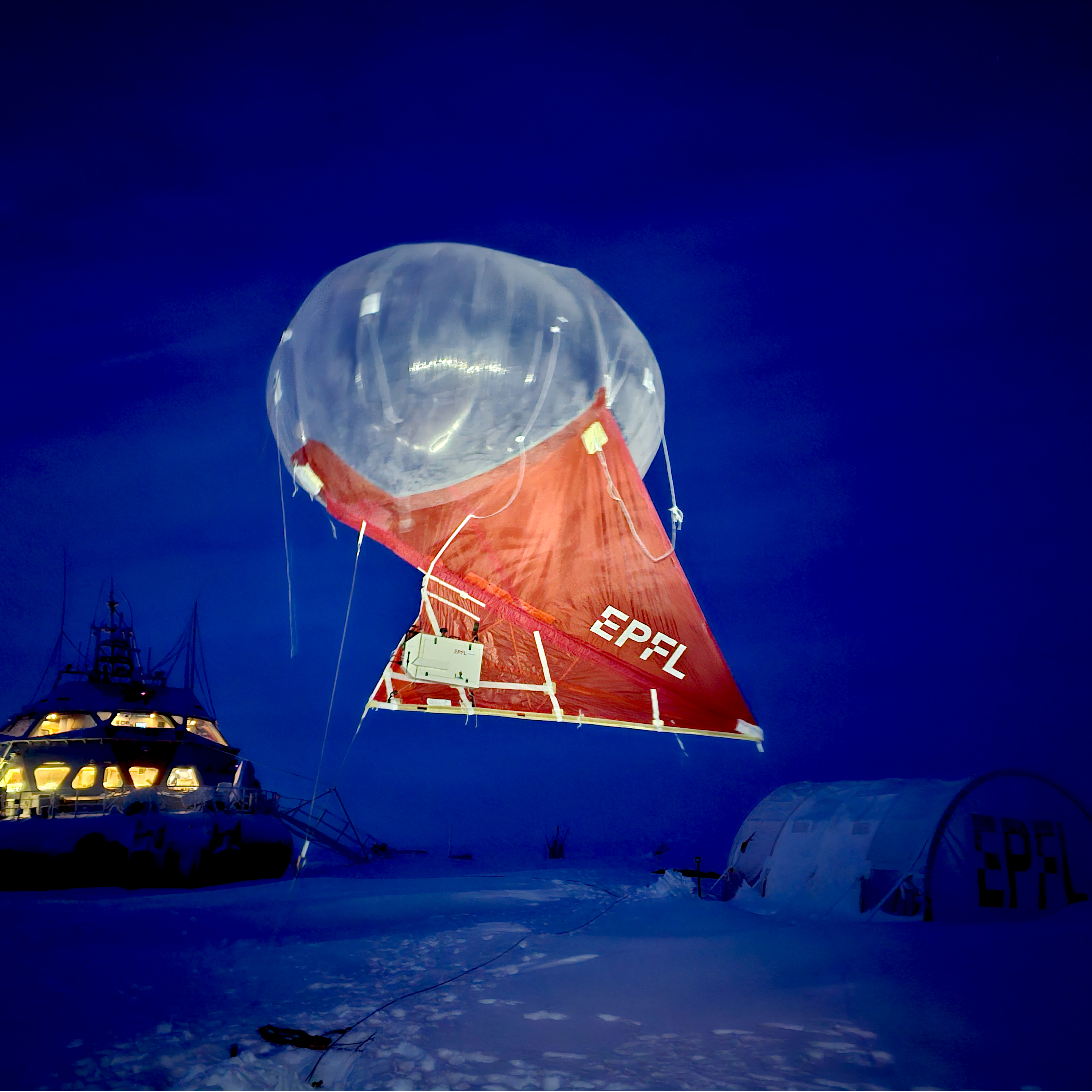
A Balloon for the Polar Night
The Helikite floats above the snow-covered sea ice against a deep blue sky, beside the glowing windows of Tara Polar Station. Twice a week, the helium-filled balloon operated by Switzerland’s EPFL takes scientific sensors up into the air, to a height of up to 1,000 metres. Throughout the winter, it will investigate the Arctic atmosphere, transmitting its measurements directly back on board. Between flights, it shelters in the tent on the right—its own garage on the ice.
30. October 2026
A View Beneath the Sea Ice
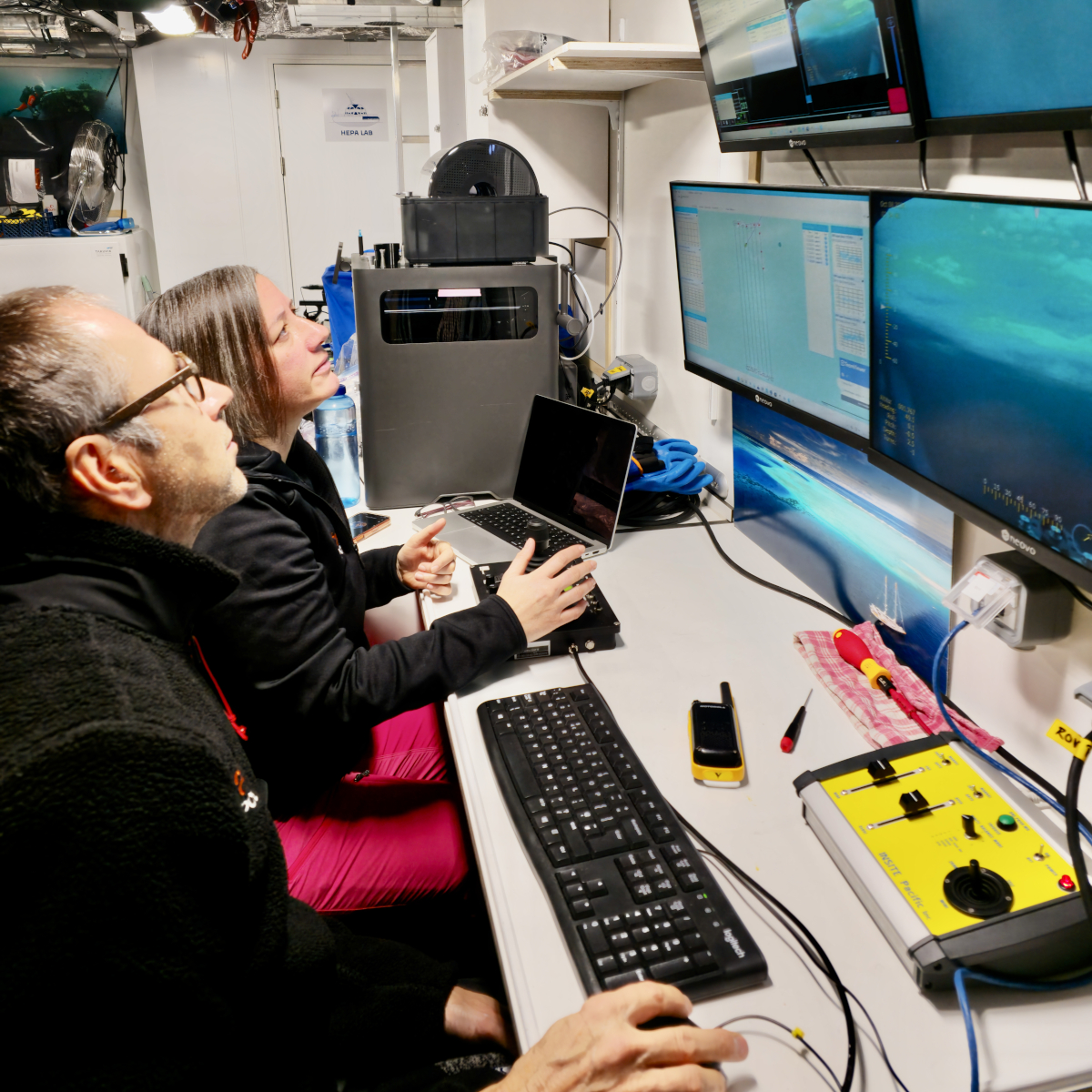
Four screens, two pilots, and an underwater robot beneath the Arctic sea ice: Julia Regnery and Eric Brossier operate and monitor the remotely operated vehicle (ROV) from the dry laboratory aboard Tara Polar Station. While Julia pilots the ROV, Eric keeps an eye on the camera feeds, position, and measurement data. Approximately every two weeks, the ROV dives through the moonpool, an opening in the station’s hull, to explore the ice from below. There, it surveys the underside of the sea ice, providing unique insights into a world that is otherwise difficult to access.
23. October 2026
The Night Turns Green
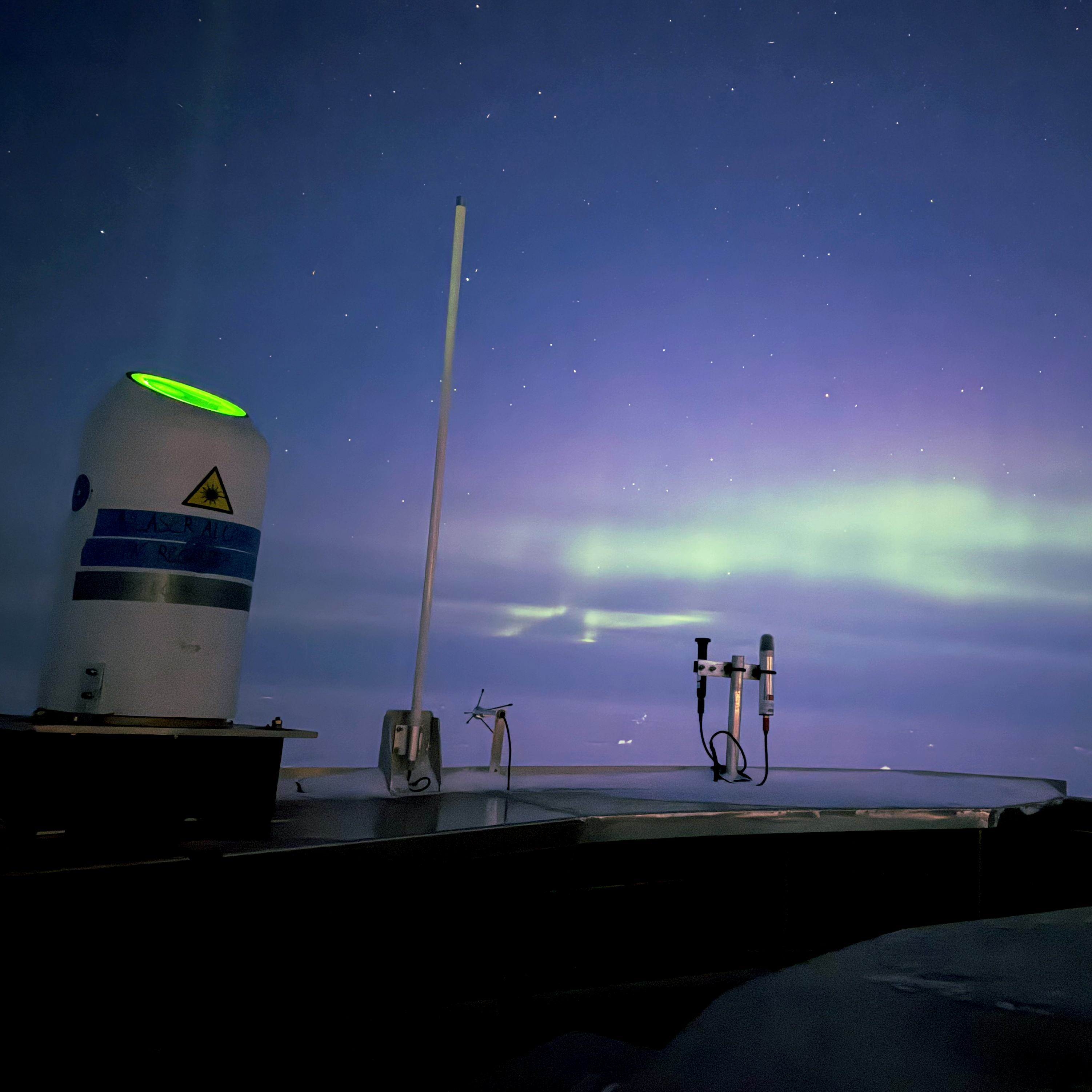
A fascinating display of colours illuminates the Arctic night: In the foreground, a LIDAR sends green laser beams into the sky to investigate the structure and properties of the atmosphere. Meanwhile, northern lights dance across the horizon in the background. Against the clear, star-filled sky, a spectacular scene unfolds, bathing the dark Arctic in a truly extraordinary light.
16. October 2026
First Sea Ice Buoys Deployed
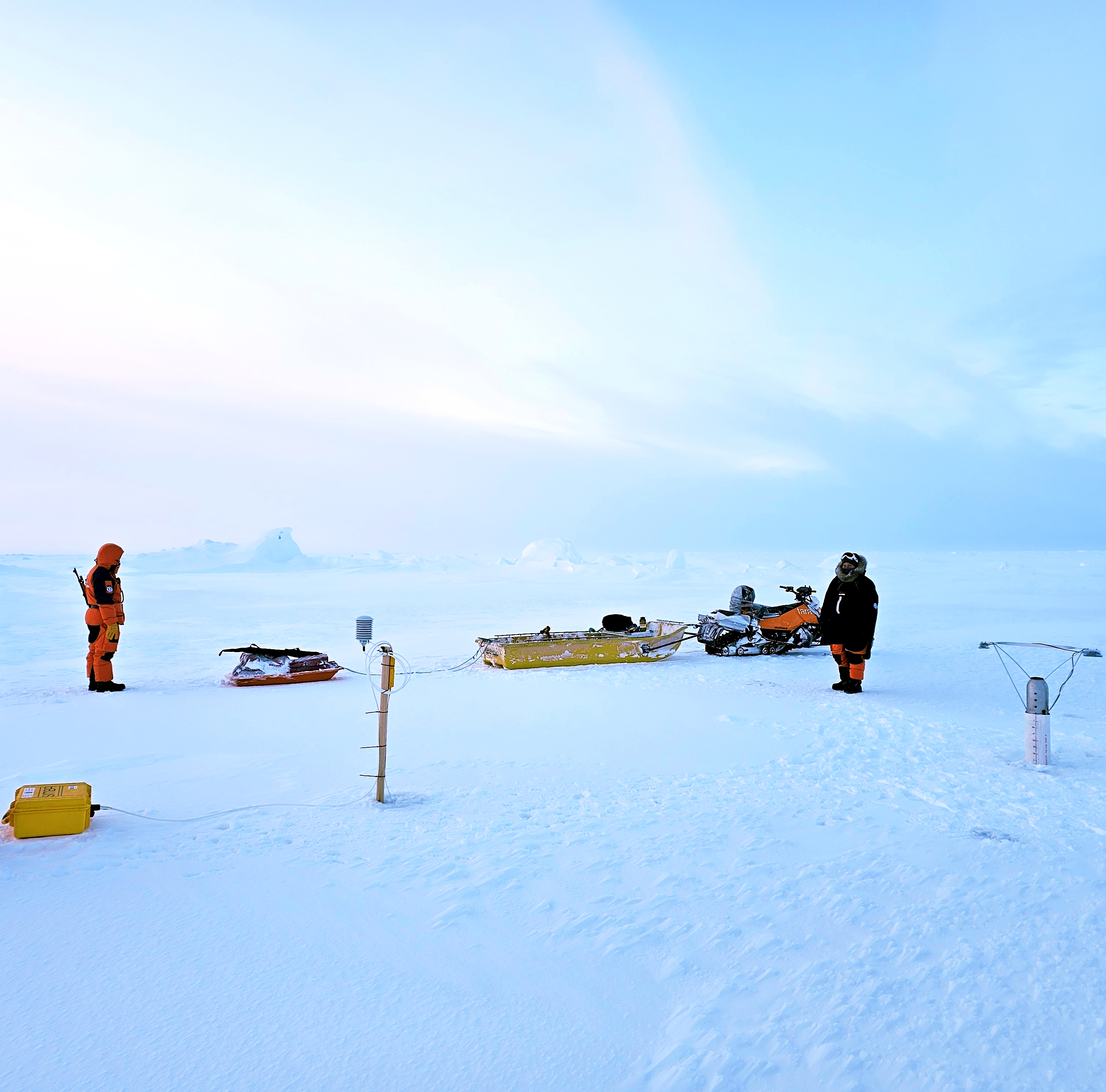
This week, two autonomous sea ice buoys were deployed on young sea ice, currently only about 25 cm thick. They continuously measure temperatures of snow, ice, and the upper ocean, ice thickness, and ocean salinity at five meters depth. These observations document the development of young sea ice throughout the Arctic winter.
09. October 2026
Measurements are underway
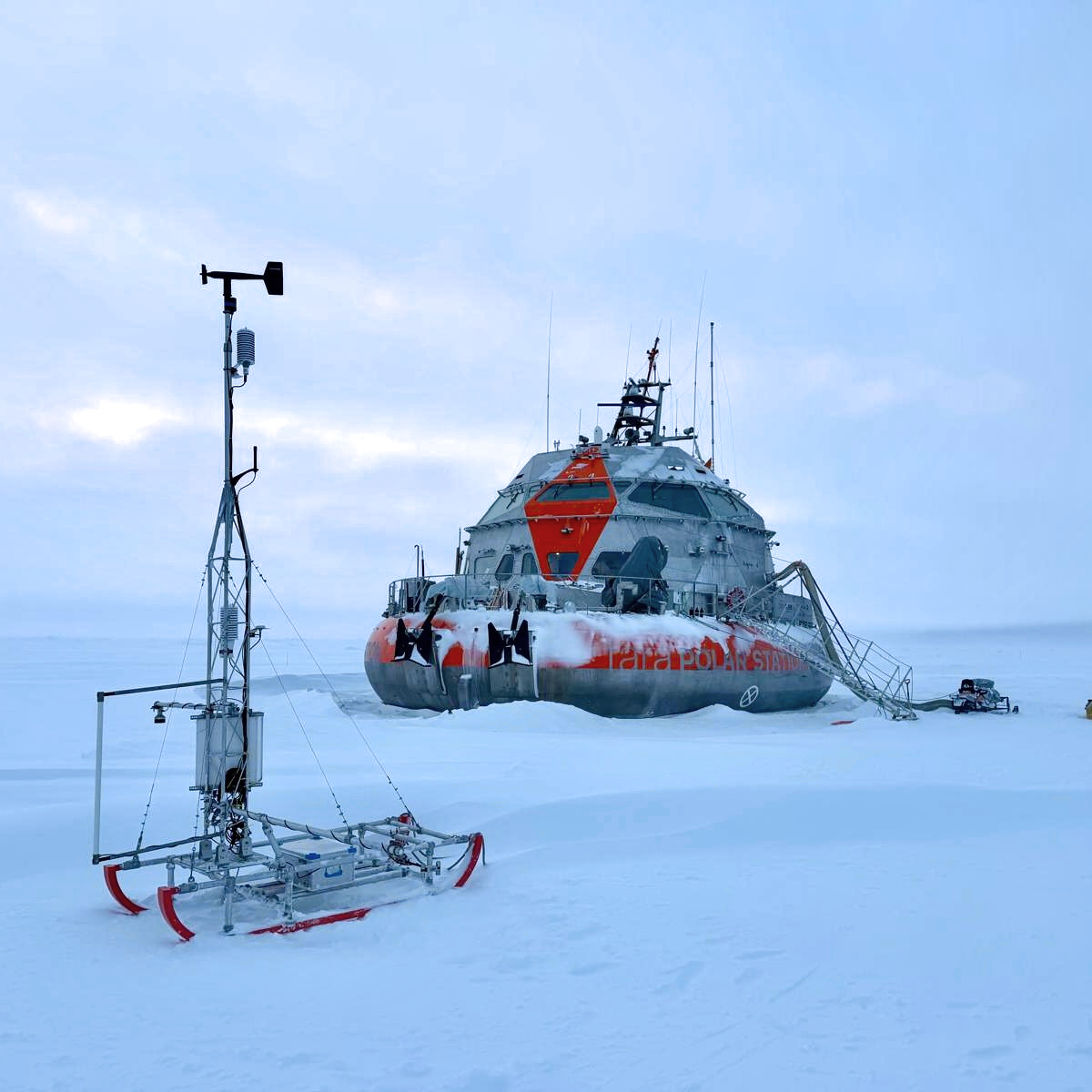
The weather and surface energy balance station has found its place on the sea ice. Mounted on a sledge with Tara Polar Station in the background, it now continuously measures wind, temperature, humidity and air pressure, as well as radiation and energy exchange at the ice surface. With this, the scientific observing programme on the floe continues to grow – collecting data around the clock during the drift across the central Arctic.
02. October 2026
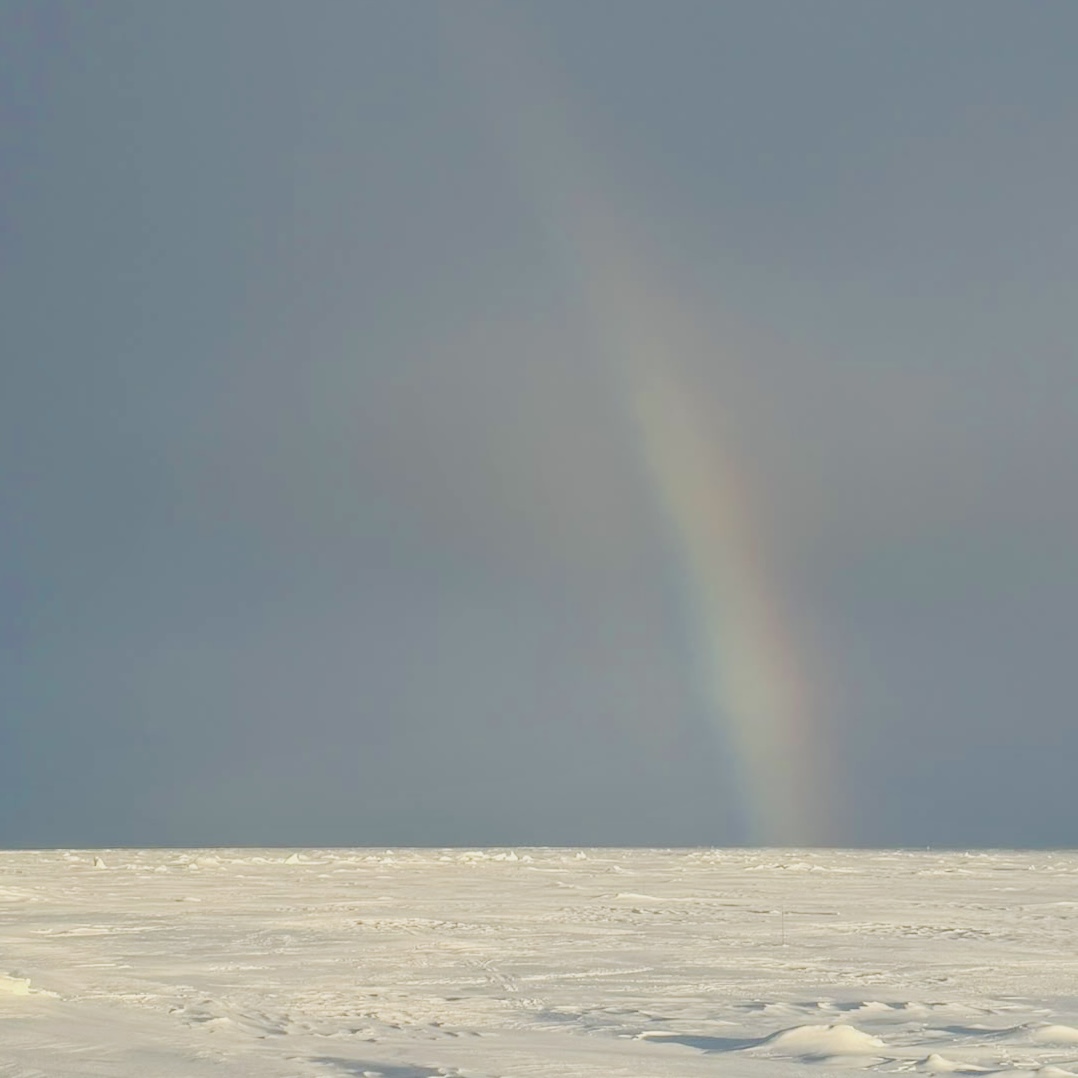
Rainbow over the sea ice
A rainbow over the Arctic sea ice – with clearly visible colours. The storm of the past few days has brought quite some moisture into the air. Liquid water droplets cause the light from the low-lying sun to be refracted and split into its spectral colours. The result is this unusual splash of colour over the white sea-ice landscape in the Arctic autumn.
25. September 2026
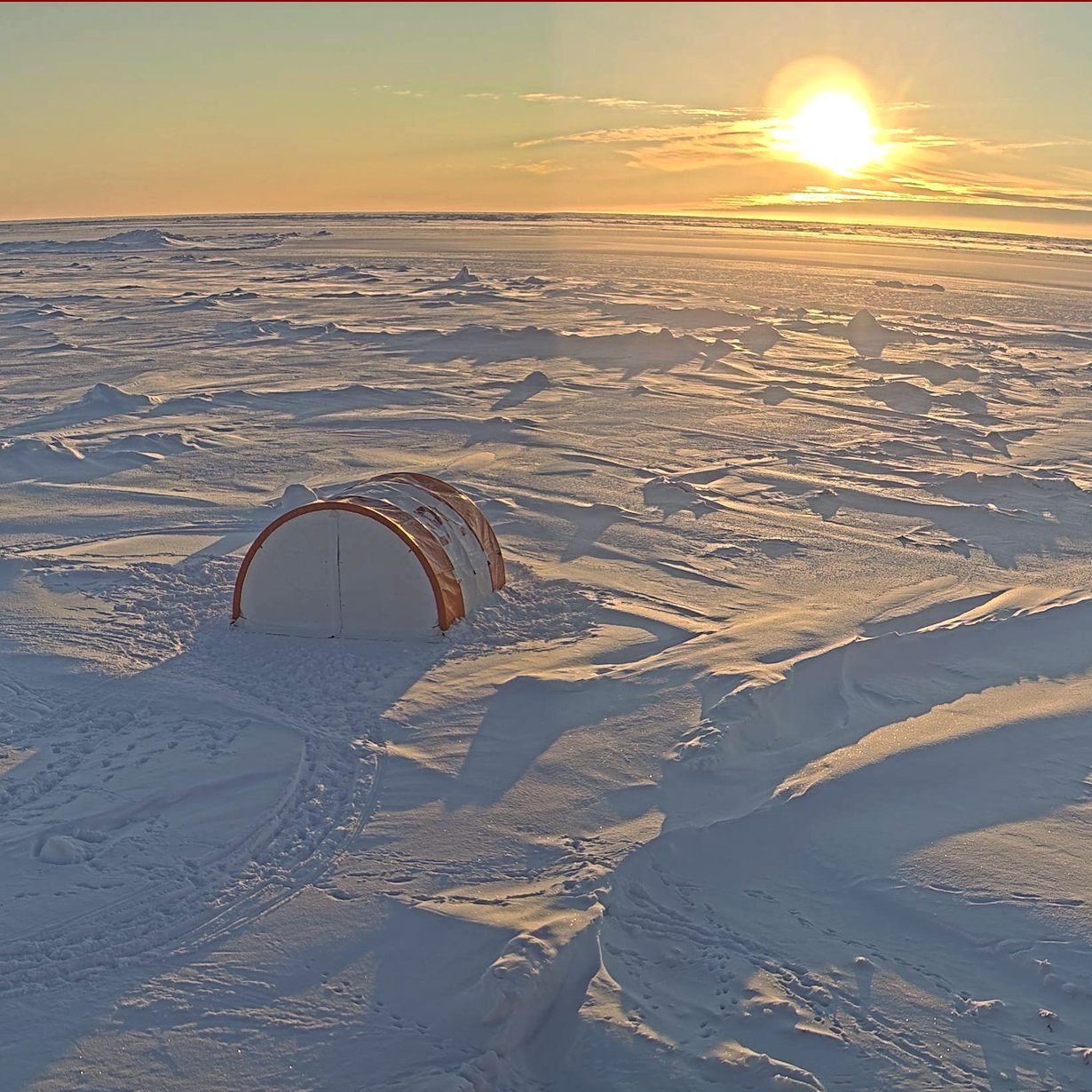
The last rays of sunlight
23 September marked the equinox and the beginning of astronomical autumn in the Northern Hemisphere. At the position of Tara Polar Station, the sun still rises every day, but the days are now getting shorter quickly. Soon, polar night will begin and the sun will remain below the horizon for several months. This makes the last sunny days all the more special. The photo shows the Helikite tent during one of the last sunrises, with clear skies and beautiful weather.
18. September 2026
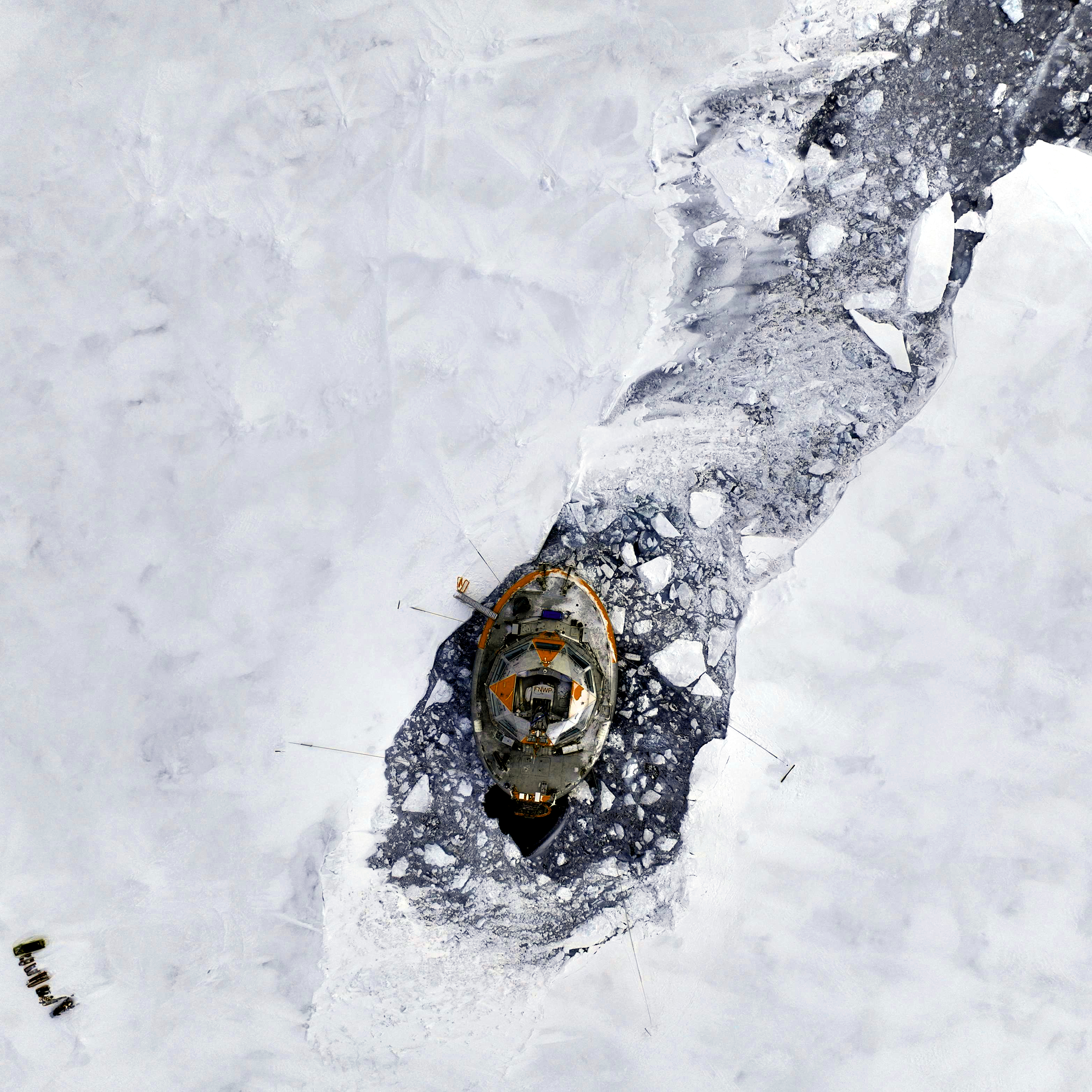
Setting up the ice camp begins!
Coinciding with this year’s sea-ice minimum on 11 September, when Arctic sea-ice extent reached 4.66 million km², Tara Polar Station has taken up its final parking position at the floe. The floe has already been named “Örkki’s Island”. It measures approximately 23.0 × 25.2 km and covers an area of around 431 km². Immediately after arrival, the team began exploring its new home: on foot across the ice, from the air by drone, and from below using the ROV. Based on these first surveys, the plan for the ice camp is now taking shape: which measurements will be set up and carried out where? At the same time, the equipment is being unpacked – and the actual setup on the ice begins.
11. September 2026
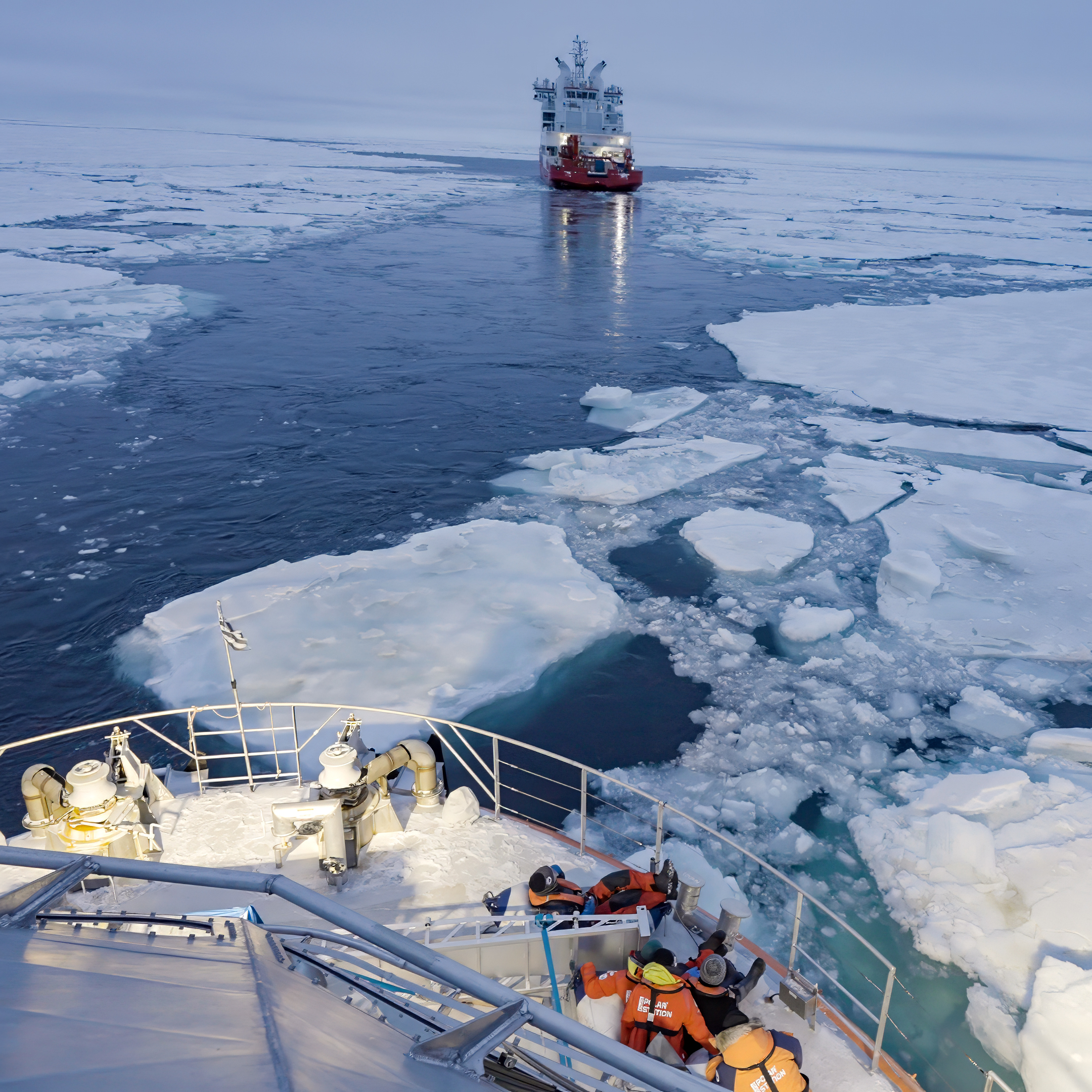
Arrival at the floe!
After several days travelling through the sea ice, Tara Polar Station reached its floe on 9 September at 10:00, at 82°24′ N, 155°03′ E. This is the floe with which the station is expected to drift through the central Arctic over the coming months. Together with the Chinese research icebreaker Xue Long 2, Tara Polar Station travelled the final nautical miles through the sea ice to the expedition team’s new home. Now, the setup of the scientific measurement programmes on and beneath the ice begins.
01. September 2026
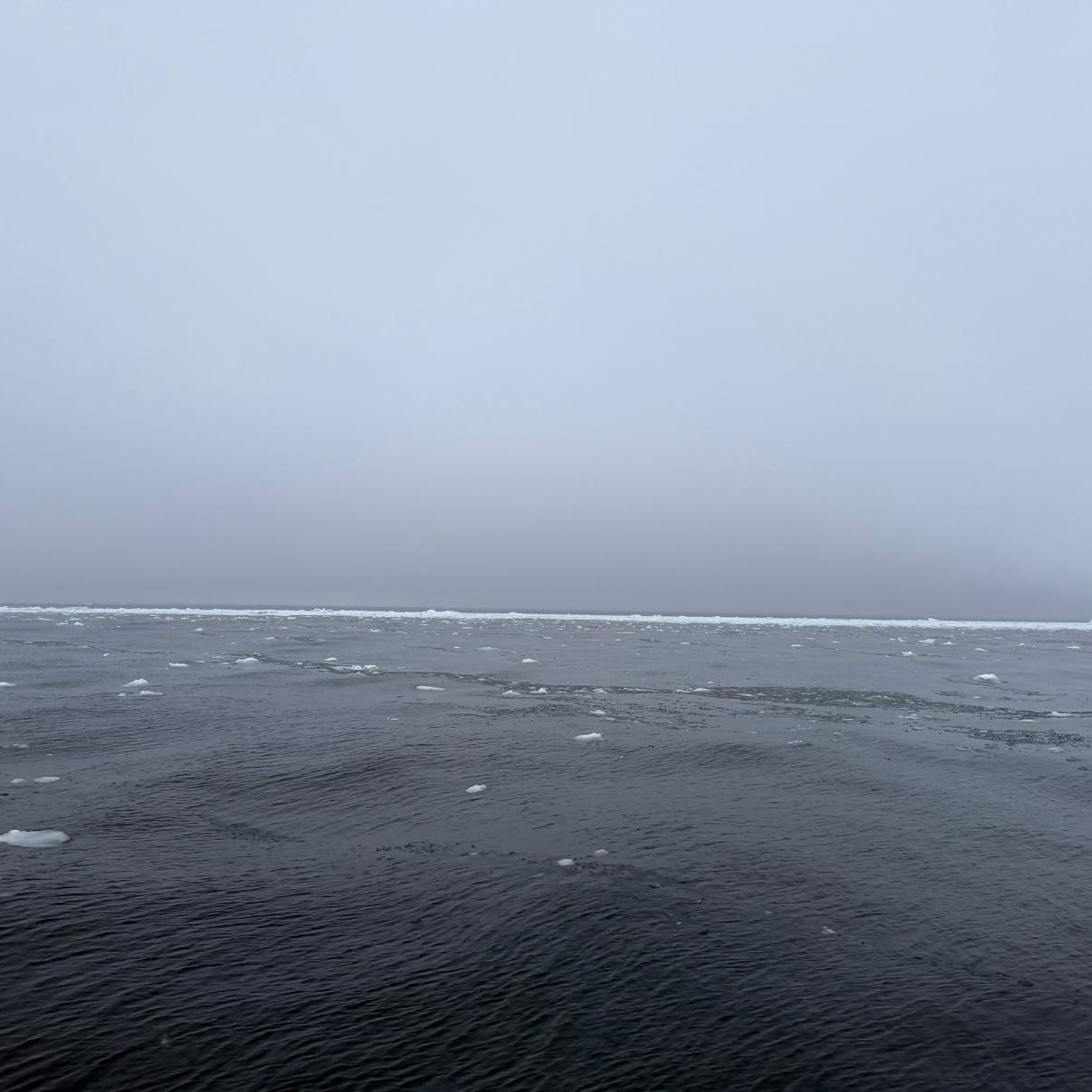
The first sea ice!
On 1 September, Tara Polar Station reached the first sea-ice floes – and with them, it finally felt like arriving in the Arctic. After passing north of the Severnaya Zemlya archipelago, the station reached the ice edge and has since been following it eastward. Before reaching the ice, the week was marked by rough seas and a correspondingly bumpy crossing of the Kara Sea. The photo shows the first sea ice spotted from Tara Polar Station.
28. August 2026
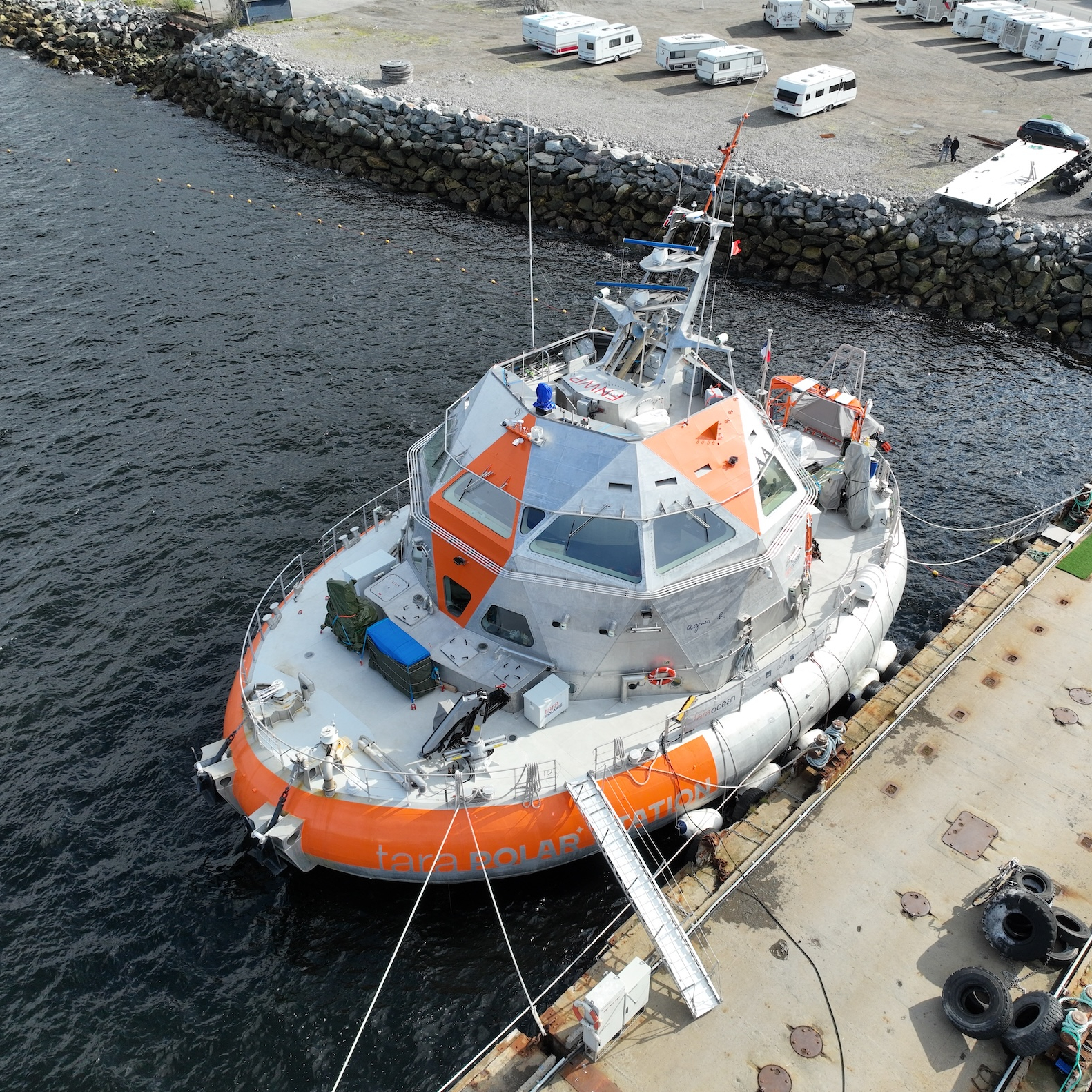
The journey begins!
After many years of planning and preparation, the Tara Polar Station departed from Kirkenes, Norway, on 22 August, marking the start of its first year-long drift expedition into the central Arctic Ocean. The winter team is now on its way north and will be exchanged next spring, while the station itself is expected to return to a harbor only in autumn 2027. The photo shows the Tara Polar Station alongside the pier in Kirkenes shortly before departure.
Monthly reports
18. November 2026
Into the Polar Night, between ice and sky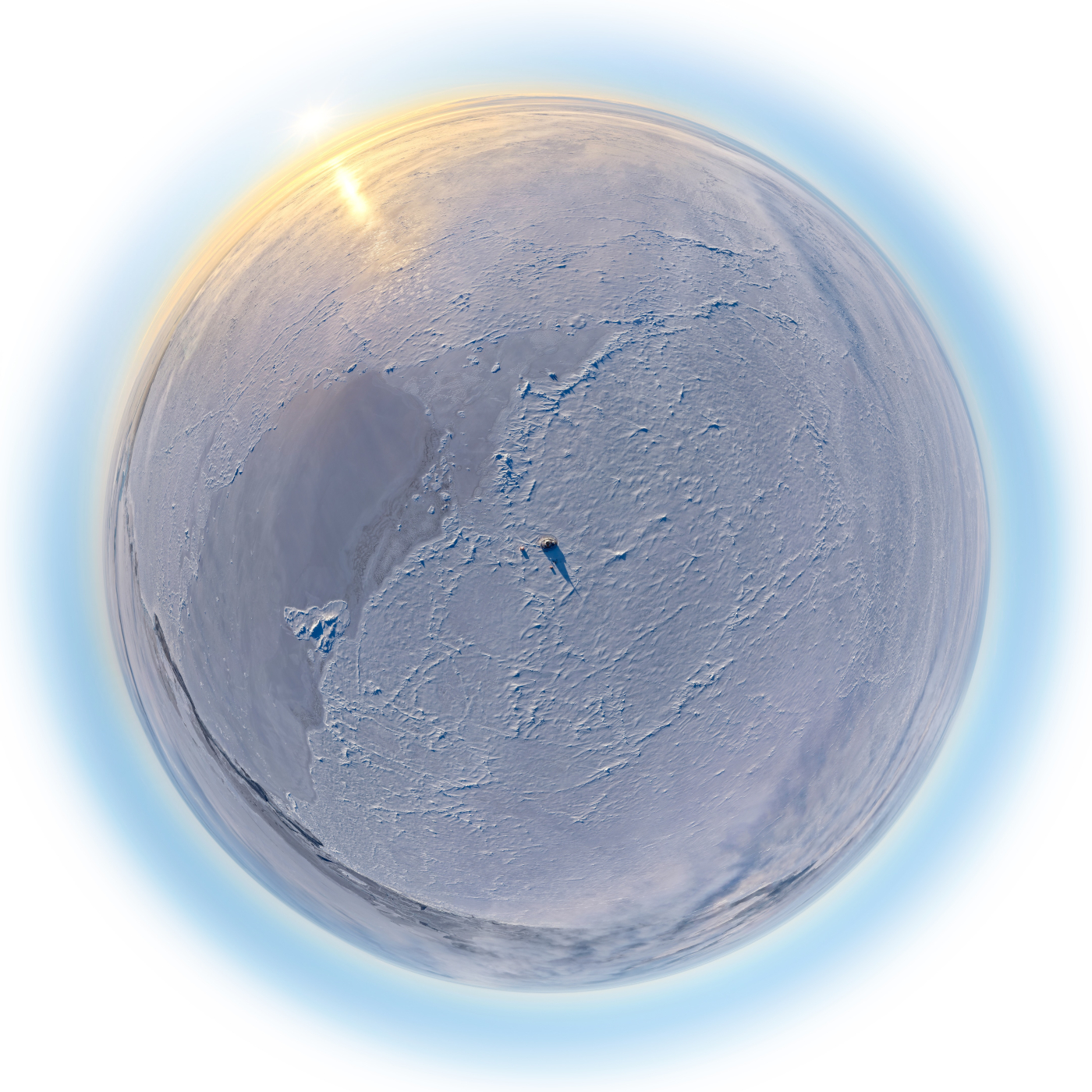
20. October 2026
A year of research on the ice begins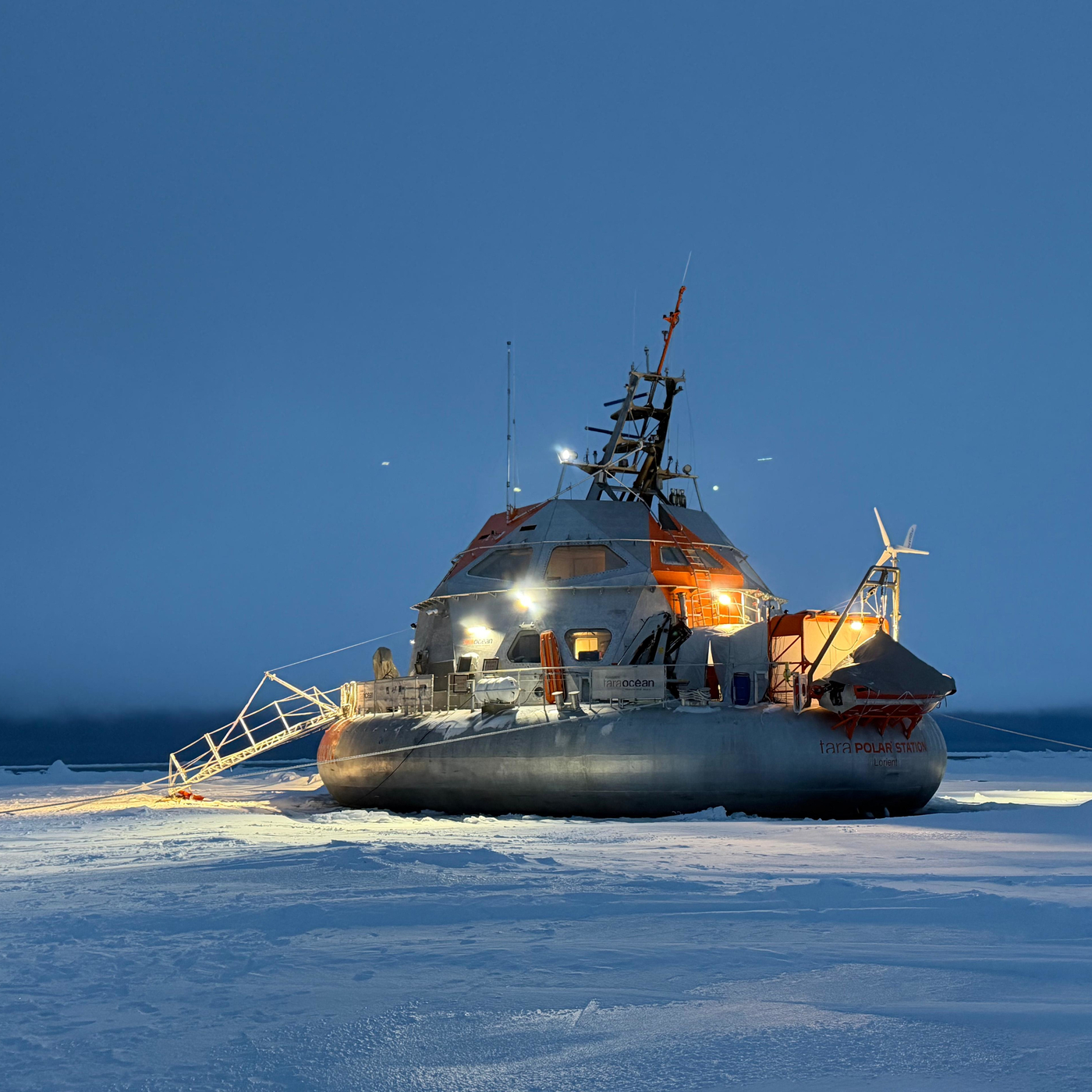
23. September 2026
The drift has begun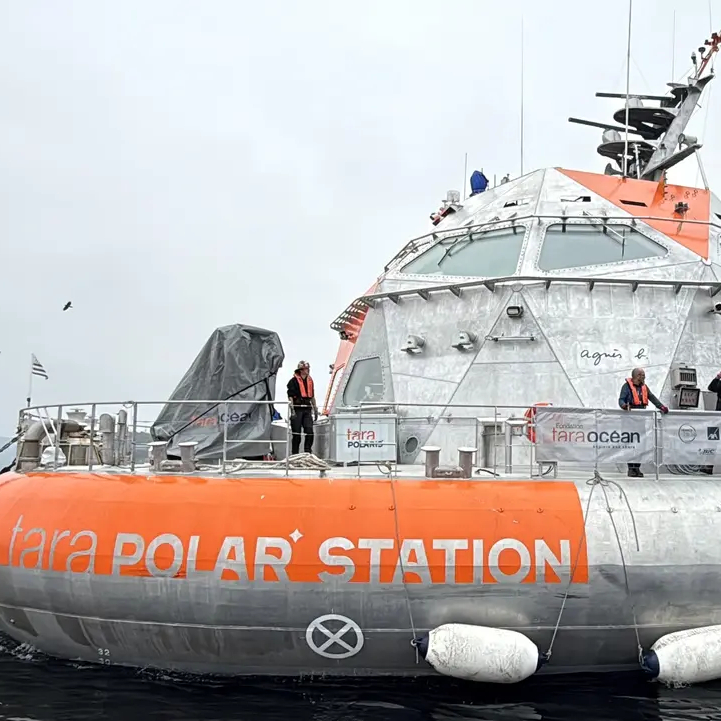
25. August 2026
Tara Polaris 1 – Arctic expedition gets underway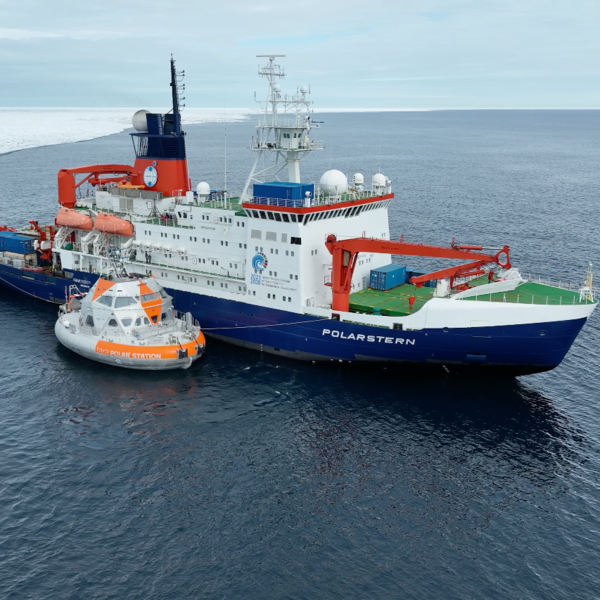
08. July 2026
A heat wave with consequences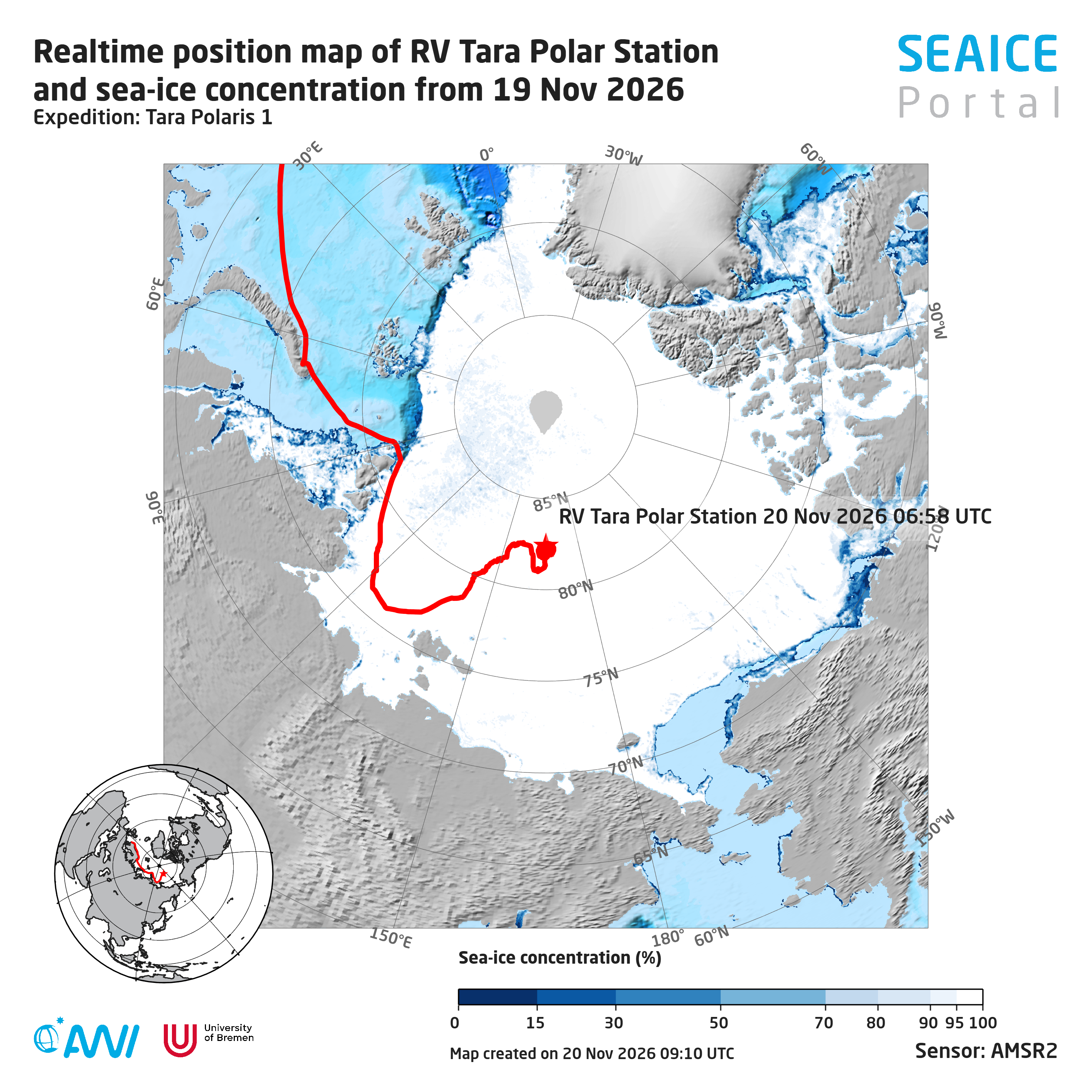
Where is Tara Polar Station headed?
Curious about where the Tara Polar Station is right now? You can learn more here.
Tara Polar Station is an international research platform for long-term drift studies in the Arctic sea ice. At the heart of the project is the question of how climate change is affecting the Arctic climate system, and how relevant these effects will be for the global climate, particularly the interplay of atmosphere, sea ice, ocean and ecosystems. From 2026 to 2046, a total of ten one-year drift missions (Tara Polaris I to X) in the Central Arctic Ocean are planned, which will in turn produce a systematic, long-term dataset on the evolution of this remote region, one that is undergoing fundamental changes.
In case of questions or any difficulties, please contact us at: Sea Ice Portal Team.